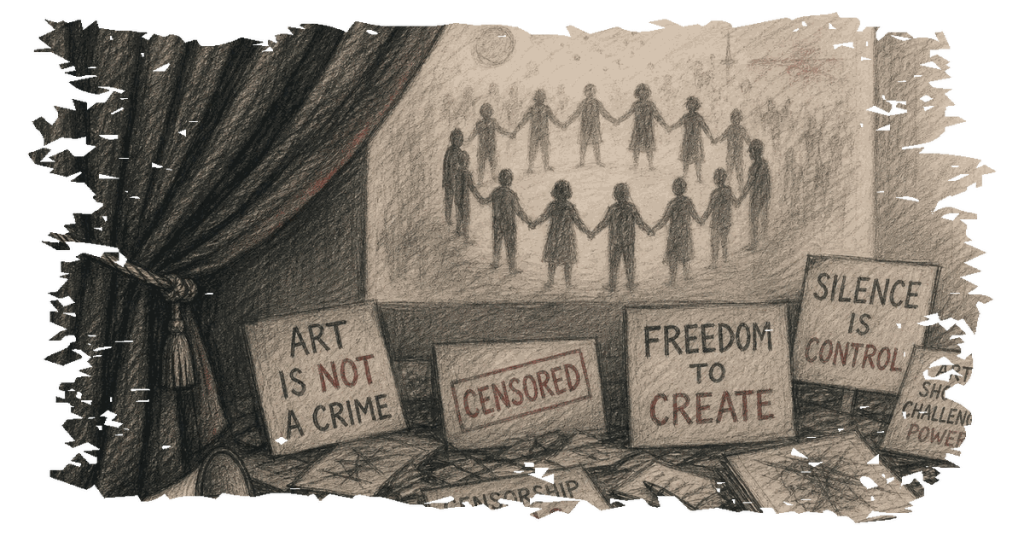
The screening of Jasmila Žbanić’s film “Blum – Gospodari svoje budućnosti” at the Museum of Yugoslavia was abruptly canceled, sparking protests and raising concerns about potential censorship. The film was scheduled to close the “Leto u Muzeju” program, a significant cultural event in Serbia that has been running for nine years, promoting social interaction and reinterpretation of Yugoslav heritage. The cancellation was executed by the acting director of the Museum, Gordana Vujović, without providing any explanation, according to the Museum’s Union and Professional Council.
Žbanić, a renowned filmmaker, expressed her confusion and concern over the decision, questioning whether her name or the film’s themes were the reasons behind the cancellation. She highlighted the film’s exploration of socialist history and its support for students, suggesting these could be contentious topics in the current cultural climate. “Is the problem my name or the fact that the film talks about a socialist past that is being silenced, relativized, and erased?” Žbanić wrote on her Facebook page. She further speculated that the film’s message, which includes themes of equality, expertise, and humanity, might have been deemed problematic, especially given its portrayal of Emerik Blum, a figure known for supporting youth and students.

The Museum’s Union and Professional Council have expressed strong opposition to the cancellation, emphasizing the lack of transparency and accountability in the decision-making process. Despite repeated inquiries from various coordinators and departments within the Museum, no justification was provided by Vujović, leading to increased frustration and speculation about the motives behind the decision.
The “Leto u Muzeju” program has traditionally been a platform for exploring and celebrating Yugoslav heritage through various cultural events. The sudden cancellation of a film that aligns with the program’s thematic focus raises questions about the influence of political and cultural narratives on artistic expression in Serbia. The absence of a clear explanation has fueled concerns about censorship and the potential suppression of certain historical narratives.
This incident is not isolated, as discussions around censorship and cultural representation in Serbia have been ongoing. The tension between preserving historical narratives and contemporary political influences has been a recurring theme in the country’s cultural discourse. The cancellation of Žbanić’s film adds to this narrative, highlighting the challenges faced by artists and cultural institutions in navigating these complex dynamics.
The broader implications of this event on Serbian culture and the arts are significant. It underscores the fragile balance between artistic freedom and political influence, raising concerns about the future of cultural expression in the country. The lack of response from the Museum’s administration further complicates the situation, leaving many questions unanswered and stakeholders in the cultural sector seeking clarity and accountability.
As the situation unfolds, the focus remains on the need for transparency and open dialogue between cultural institutions and artists. The outcome of this incident could have lasting effects on the cultural landscape in Serbia, influencing how historical narratives are presented and interpreted in the future.